
Helping Ohio Families Bridge the Gap Between Retirement Planning, Taxes, and Estate Planning
Helping Ohio Families Bridge the Gap Between Retirement Planning, Taxes, and Estate Planning
The S.T.E.P. Process
A modern framework for coordinating estate planning, retirement distribution strategy, and efficiency.
The S.T.E.P. Process was developed to help families bring these pieces together into one clear strategy.
The S.T.E.P. Process
A modern framework for coordinating estate planning, retirement distribution strategy, and efficiency
The S.T.E.P. Process was developed to help families bring these pieces together into one clear strategy.
Most estate plans focus only on legal documents.
Real legacy planning requires coordination between estate law, tax strategy, and retirement assets.
Why Traditional Estate Planning Falls Short
For many families, an estate plan simply means creating a will or trust.
While documents are important, they represent only one part of a much larger planning process.
Today, a significant portion of family wealth sits inside tax-deferred retirement accounts such as IRAs, 401(K)s, TSPs, and Deferred Compensation plans
Recent changes in tax law including provisions from the SECURE Act and SECURE Act 2.0 have dramatically altered how these assets are taxed when passed to the next generation
Without proper coordination between estate planning and tax strategy, families can unknowingly create large tax burdens for their heirs.
The step process was designed to address these challenges by bringing estate planning, retirement strategy, and tax planning into a single coordinated framework.
Most estate plans focus only on legal documents.
Real legacy planning requires coordination between estate law, tax strategy, and retirement assets.
Why Traditional Estate Planning Falls Short
For many families, an estate plan simply means creating a will or trust.
While documents are important, they represent only one part of a much larger planning process.
Today, a significant portion of family wealth sits inside tax-deferred retirement accounts such as IRAs, 401(K)s, TSPs, and Deferred Compensation plans.
Recent changes in tax law including provisions from the SECURE Act and SECURE Act 2.0 have dramatically altered how these assets are taxed when passed to the next generation.
Without proper coordination between estate planning and tax strategy, families can unknowingly create large tax burdens for their heirs.
The step process was designed to address these challenges by bringing estate planning, retirement strategy, and tax planning into a single coordinated framework.
The STEP framework focuses on four core pillars of modern planning
The STEP framework focuses on four core pillars of modern planning
Together, these pillars help families organize their legal documents, retirement strategies, tax planning, and legacy goals into one coordinated system
Together, these pillars help families organize their legal documents, retirement strategies, tax planning, and legacy goals into one coordinated system
S - Structure
Creating the legal foundation for transferring wealth.
The first step in the planning process is establishing the legal structure that determines how assets move from one generation to the next.
This includes documents such as wills, trust, and powers of attorney, as well as ensuring assets are properly titled and beneficiaries are coordinated.
Without the proper structure assets may pass through probate or be distributed in ways that do not reflect the family's intentions.
Key components may include:
Revocable living trust
Last Will and Testament
Durable powers of attorney
Healthcare directives
Trust funding
Beneficiary coordination
Structure creates the legal framework that guides how assets transfer.
S - Structure
Creating the legal foundation for transferring wealth.
The first step in the planning process is establishing the legal structure that determines how assets move from one generation to the next.
This includes documents such as wills, trust, and powers of attorney, as well as ensuring assets are properly titled and beneficiaries are coordinated.
Without the proper structure assets may pass through probate or be distributed in ways that do not reflect the family's intentions.
Key components may include:
Revocable living trust
Last Will and Testament
Durable powers of attorney
Healthcare directives
Trust funding
Beneficiary coordination
Structure creates the legal framework that guides how assets transfer.
T - Tax Strategy
Managing how retirement assets are taxed during life and after death.

Large portion of retirement wealth is held inside tax-deferred accounts such as Iras and 401(k)s.
While these accounts provide tax advantages during accumulation, they can create significant tax obligations during retirement and for future beneficiaries.
Tax planning strategies may include evaluating distribution timing, coordinating with current tax brackets, and understanding how new legislation effects inherited retirement accounts.
Areas of focus often include:
Required minimum distribution planning
Roth conversion strategies
Tax bracket optimization
Retirement distribution planning
Inherited IRA payout rules
Understanding Designated Beneficiaries
Tax Strategy helps reduce unnecessary tax exposure across generations.
E - Efficiency
Coordinating assets and strategies so wealth transfers smoothly.
Efficiency focuses on ensuring that different parts of a financial plan work together.
This includes aligning estate planning documents with retirement accounts beneficiary designations and distribution strategies.
When these elements are not coordinated, assets may transfer inefficiently or create unintended consequences for beneficiaries.
Areas of coordination may include:
Asset positioning
Beneficiary designations
Distribution sequencing
Retirement income planning
Understanding current laws and regulations
Understanding current inheritance rules and regulations
Efficiency ensures wealth moves through the plan in the most effective way possible.
P - Protection
Preserving wealth for future generations.

Protection focuses on safeguarding assets from unnecessary loss and ensuring wealth continues benefiting future generations.
Depending on a family's situation, this may involve trust planning, asset protection considerations, and strategies designed to preserve long-term legacy goals.
Examples may include:
Trust provisions for heirs
Legacy protection planning
Strategies designed to preserve family wealth
Asset protection strategies
Eliminating market risk
Income continuation planning for surviving spouse
Protection helps ensure wealth continues serving the family's long-term goals.
T - Tax Strategy
Managing how retirement assets are taxed during life and after death.
Large portion of retirement wealth is held inside tax-deferred accounts such as Iras and 401(k)s.
While these accounts provide tax advantages during accumulation, they can create significant tax obligations during retirement and for future beneficiaries.
Tax planning strategies may include evaluating distribution timing, coordinating with current tax brackets, and understanding how new legislation effects inherited retirement accounts.
Areas of focus often include:
Required minimum distribution planning
Roth conversion strategies
Tax bracket optimization
Retirement distribution planning
Inherited IRA payout rules
Understanding Designated Beneficiaries
Tax Strategy helps reduce unnecessary tax exposure across generations.
E - Efficiency
Coordinating assets and strategies so wealth transfers smoothly.
Efficiency focuses on ensuring that different parts of a financial plan work together.
This includes aligning estate planning documents with retirement accounts beneficiary designations and distribution strategies.
When these elements are not coordinated, assets may transfer inefficiently or create unintended consequences for beneficiaries.
Areas of coordination may include:
Asset positioning
Beneficiary designations
Distribution sequencing
Retirement income planning
Understanding current laws and regulations
Understanding current inheritance rules and regulations
Efficiency ensures wealth moves through the plan in the most effective way possible.
P - Protection
Preserving wealth for future generations.
Protection focuses on safeguarding assets from unnecessary loss and ensuring wealth continues benefiting future generations.
Depending on a family's situation, this may involve trust planning, asset protection considerations, and strategies designed to preserve long-term legacy goals.
Examples may include:
Trust provisions for heirs
Legacy protection planning
Strategies designed to preserve family wealth
Asset protection strategies
Eliminating market risk
Income continuation planning for surviving spouse
Protection helps ensure wealth continues serving the family's long-term goals.
Planning is Most Effective When These Elements Work Together
Planning is Most Effective When These Elements Work Together
Estate planning, retirement planning, and tax strategy are often addressed separately.
However, when these areas are coordinated, families gain a clearer understanding of how their assets will be transferred and how taxes may impact those transfers.
The S.T.E.P. process helps bring these elements together into one cohesive planning framework.
Estate planning, retirement planning, and tax strategy are often addressed separately.
However, when these areas are coordinated, families gain a clearer understanding of how their assets will be transferred and how taxes may impact those transfers.
The S.T.E.P. process helps bring these elements together into one cohesive planning framework.
Start With Education
Our process begins with education.
We host educational workshops where families can learn about the strategies and planning concepts that influence retirement distribution and estate planning.
These workshops are designed to help attendees understand the issues involved before making important planning decisions
Start With Education
Our process begins with education.
We host educational workshops where families can learn about the strategies and planning concepts that influence retirement distribution and estate planning.
These workshops are designed to help attendees understand the issues involved before making important planning decisions
Attend a Free Educational Workshop
Attend a Free Educational Workshop
Learn how to protect your family's future.
Our workshops help families understand the modern tax and estate planning landscape before making major financial and legacy decisions.
Learn how to protect your family's future.
Our workshops help families understand the modern tax and estate planning landscape before making major financial and legacy decisions.
Up Coming Workshops
Up Coming Workshops
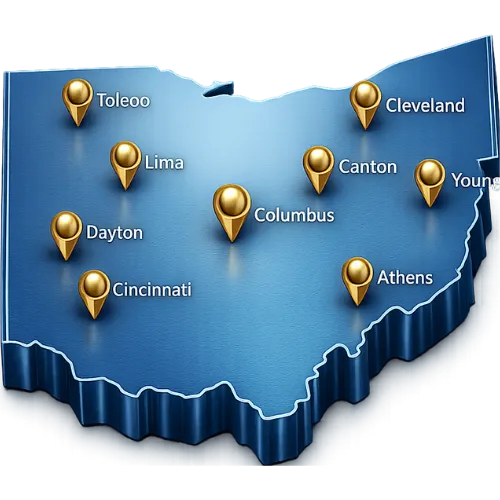
Who our workshop is designed for
Our workshops are designed for those building toward or approaching retirement—including individuals with retirement savings such as 401(k)s, IRAs, TSPs, or Ohio Deferred Compensation plans, business owners and professionals, and anyone seeking to reduce taxation, avoid probate, establish proper estate planning, and protect the assets they’ve worked hard to build.
Who our workshop is designed for
Our workshops are designed for those building toward or approaching retirement—including individuals with retirement savings such as 401(k)s, IRAs, TSPs, or Ohio Deferred Compensation plans, business owners and professionals, and anyone seeking to reduce taxation, avoid probate, establish proper estate planning, and protect the assets they’ve worked hard to build.
Start with a S.T.E.P. Review
Our S.T.E.P. Review helps identify opportunities to improve the coordination between your retirement accounts, tax strategy, and estate planning documents.
What the review includes:
Full Estate Analysis
Retirement Account Analysis
Tax Strategy Analysis
Beneficiary Assignment Review
Asset Protection Risk Analysis
Structure, Tax, Efficiency, Protection Overview
Start with a S.T.E.P. Review
Our S.T.E.P. Review helps identify opportunities to improve the coordination between your retirement accounts, tax strategy, and estate planning documents.
What the review includes:
Full Estate Analysis
Retirement Account Analysis
Tax Strategy Analysis
Beneficiary Assignment Review
Asset Protection Risk Analysis
Structure, Tax, Efficiency, Protection Overview
What Families Experience After S.T.E.P. Review
Before planning
Outdated Estate Documents
Retirement Strategy Confusion
Estate Planning Confusion
Tax Uncertainty
Legacy and Inheritance Uncertainty
After planning
Estate Structuring Plan
Retirement Strategy
Clarity for Heirs
Tax Planning Strategy
Legacy and Inheritance Confidence
What Families Experience After S.T.E.P. Review
Before planning
Outdated Estate Documents
Retirement Strategy Confusion
Estate Planning Confusion
Tax Uncertainty
Legacy and Inheritance Uncertainty
After planning
Estate Structuring Plan
Retirement Strategy
Clarity for Heirs
Tax Planning Strategy
Legacy and Inheritance Confidence
Quick Links
Contact Us
Estate Plan 4 You
2014 Champions Gateway
Canton, Ohio 44708
Legal
Connect


© 2026 Fleming Parries Strategic Advisors LLC. All rights reserved.
Estate Plan 4 You is a brand operated by Fleming Parries Strategic Advisors LLC.